
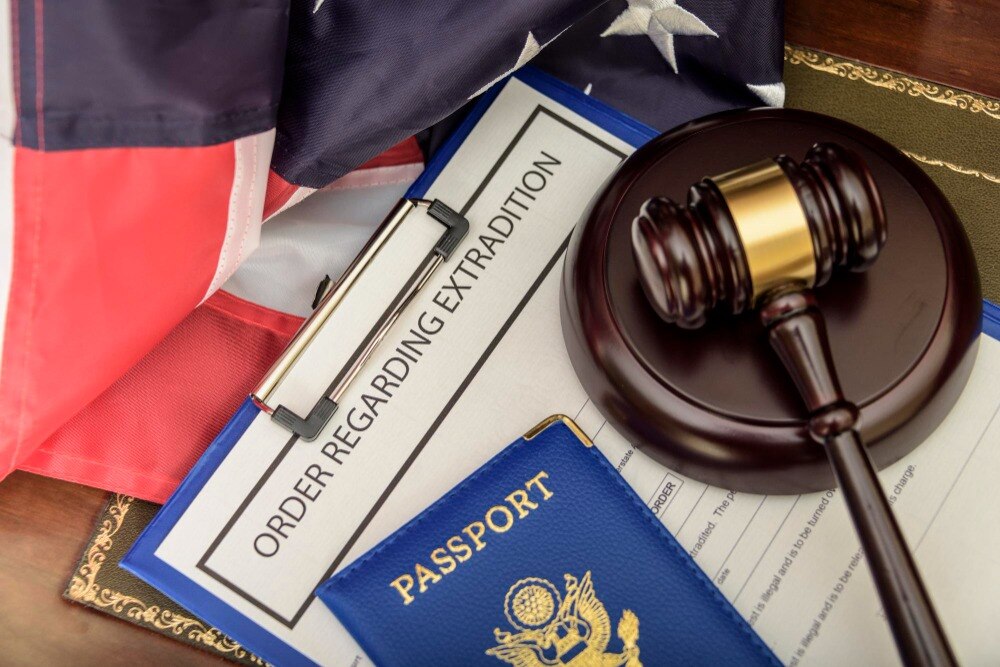
A visa overstay, deportation direction, passport impounding order and airport seizure may involve the same person but they are not the same legal proceeding. You will be able to identify the issuing authority, match the decision to the correct remedy, and assemble the records needed for a Karnataka High Court challenge.
Key takeaways
- Identify the issuing authority, challenged order and current proceeding stage.
- Match a Foreigners Act allegation to the remedy it actually supports.
- Challenge passport refusal, impounding or revocation through its own record.
- Collect detention, deportation, look-out circular and customs documents separately.
Start with the decision, authority and proceeding you are actually challenging
Identify the order, the authority that issued it, and the proceeding’s present stage before choosing a remedy. A foreigner’s overstay notice, a police FIR, detention order, passport impounding decision, and customs seizure are not interchangeable disputes.
1. Read the document’s title, statutory provision, issuing authority, and operative direction. An immigration or deportation order usually comes from the Foreigners Regional Registration Office, Bureau of Immigration, or an immigration officer and directs reporting, departure, or denial of entry. A detention decision concerns custody and its legal basis.
A Passport Office or Passport Seva authority acting under Section 10 of the Passports Act is taking administrative action to impound or revoke a passport.
2. Treat a criminal case as a court or police proceeding, not as a passport decision. Check whether you face an FIR, complaint, remand order, charge-sheet, conviction, or summons. Regular bail, anticipatory bail, quashing under Section 482 CrPC, criminal revision, and criminal appeal each require different records and legal tests.
3. Match the authority and decision to the remedy: a statutory passport appeal or Article 226 writ for passport action; bail for custody; and Articles 226 or 227, revision, appeal, or quashing for criminal orders. In high court litigation, Bangalore location alone does not create jurisdiction.
Identify the Karnataka event—order, detention, investigation step, or resulting harm—that supplies cause of action under Article 226(2).
What a Foreigners Act case can allege and which remedy fits it
An overstay becomes a Foreigners Act matter when the visa expiry, registration rule, or departure condition is identified as the breached requirement. Section 3 authorises Central Government orders controlling a foreign national’s entry, presence and departure; Section 14 penalises contravention of the Act or a specific order made under it.
| Allegation | How it becomes a proceeding | Remedy to examine |
|---|---|---|
| Overstay or visa violation | Charge under Section 14 based on the visa condition, registration rule, notification or order | Bail, discharge, criminal revision or appeal; a writ where the underlying order is unlawful |
| Illegal entry | Immigration records and an alleged breach of entry controls support prosecution or removal action | Challenge the immigration or deportation order separately from the criminal case |
| Forged passport or visa | False documents support the entry or stay allegation; forgery and passport offences can form separate charges | Contest each FIR or prosecution on its own record |
| Restricted-area breach | Presence in a notified or prohibited area is alleged as breach of a Section 3 order | Writ or statutory challenge to the order, plus criminal defence if Section 14 is charged |
The remedy depends on the document challenged. Ask for the visa pages, arrival and departure data, FRRO or Bureau of Immigration communications, notice, reply, order, FIR and remand papers before choosing a petition.
For a person searching “foreigners act lawyer bangalore,” the key question is whether the requested relief concerns custody, prosecution, deportation or an administrative order. A High Court writ cannot automatically erase a separate passport or customs proceeding.
Passport refusal, impounding and revocation require a separate challenge
A passport refusal, impounding or revocation must be challenged against the passport authority’s order, not treated automatically as a Foreigners Act case or criminal conviction. Under Section 10 of the Passports Act, 1967, examine the recorded statutory ground, written reasons, notice, opportunity to respond, and the material relied on.
Article 21 requires a fair, just and reasonable procedure, as explained in Maneka Gandhi v. Union of India.
An adverse police-verification report is evidence behind the decision, not necessarily the final decision itself. Ask the Passport Office or Passport Seva authority for the report and refusal communication, submit a focused correction with identity, address, court and police records, and seek reconsideration.
If the authority ignores relevant documents, relies on a false case, or gives no lawful reasons, challenge the administrative action through the statutory appeal route or an Article 226 writ petition.
Keep these tracks separate:
- Passport order: challenge jurisdiction, Section 10 grounds, reasons, notice, hearing, relevance and proportionality.
- Police report: contest the factual error before the passport authority, then seek writ relief if the decision remains arbitrary.
- Passport-related prosecution: use bail, discharge, quashing, appeal or revision according to the case stage; do not attack a conviction through a passport-order petition.
- Foreigners Act proceeding: challenge the separate prosecution, detention or departure direction on its own record.
A passport case lawyer bangalore search should lead you to counsel who identifies the exact authority, order and remedy before filing.
Detention, deportation, look-out circulars and customs action need separate records
Detention, denial of entry and a direction to leave India must be challenged against the specific order or action that caused them. A petition under Article 226 may seek release, disclosure of reasons, protection against removal, or review of a Foreigners Act, 1946 section 3 order.
A foreign national has no unrestricted right to enter or remain in India, so the petition must address the visa, entry permission, overstay allegation or statutory basis for departure.
An immigration officer’s refusal, FRRO communication, detention record, look-out circular and criminal remand order are different decisions. Challenge the issuing authority, legal power, reasons, duration and procedural defects.
Bail applies to criminal custody; habeas corpus or a writ challenge addresses unlawful detention; a direction to leave may require interim protection while the court examines the underlying record.
Take these documents to counsel:
- Passport, visa, arrival card, boarding pass and entry or departure records
- Immigration, FRRO or Bureau of Immigration notices, replies and the direction to leave
- Detention memo, grounds, remand papers, FIR, bail orders and jail records
- Look-out circular details, if available, including the issuing agency and stated case
- Customs seizure memo, inventory, summons, statements, adjudication order and prosecution papers
A customs seizure or airport customs prosecution remains a separate track under customs law. Bail, settlement or discharge in the Foreigners Act matter does not automatically end confiscation or customs prosecution. A customs case lawyer bangalore can help separate relief concerning custody, deportation, passport status, prosecution and confiscation.
Choose the High Court remedy only after building the complete case record
Take the complete file to counsel before choosing bail, appeal, revision, quashing, interim protection or a writ. Carry:
- Passport, visa, entry and exit stamps, air tickets, arrival records and departure records
- FRRO, Bureau of Immigration, immigration, police, customs and Passport Office notices, emails and orders
- Your replies, proof of service, hearing dates, remand applications, custody certificates and every bail order
- FIR, complaint, charge sheet, seizure memo, summons, statements and the exact Foreigners Act section, visa condition, notification or order allegedly breached
- The impugned passport decision, adverse police-verification report or deportation and detention direction
- A date-wise chronology identifying who acted, where it happened, and whether any appeal or limitation period has started
| Remedy | Target | Record that usually matters |
|---|---|---|
| Regular or anticipatory bail | Custody or feared arrest | FIR, allegations, cooperation, remand history and prior orders |
| Quashing under Section 482 CrPC | FIR, complaint or charge sheet | Foundational documents, statutory ingredients and investigation status |
| Criminal appeal or revision | Conviction, sentence or an order by a criminal court | Trial evidence, judgment, exhibits and challenged order |
| Writ under Articles 226 and 227 | Executive order or unlawful procedure | Authority, reasons, notice, reply, jurisdiction and alternative remedy |
| Interim protection | Immediate arrest, detention, deportation or coercive action | Urgency, threatened action and the precise final relief sought |
A passport statutory appeal is not automatically replaced by a writ. For high court litigation bangalore, identify the Karnataka event creating jurisdiction under Article 226(2), not merely your address.
Advocate Ankur Tripathi & Associates can separate the criminal, administrative and customs tracks so a foreigners act lawyer bangalore or passport case lawyer bangalore is not asked to challenge the wrong order.
Related products
HIGH COURT MATTERS Foreigners Act, Passport & Customs related cases Advocate Ankur Tripathi is a reputed criminal lawyer in Bangalore, specializing in cases under the Foreigners Act, Passport Act, and Customs Act. |
HIGH COURT MATTERS Criminal Appeals, Criminal Revision Petitions & 482 Quashing petitions before High Court Advocate Ankur Tripathi is a highly experienced criminal lawyer in Bangalore, specializing in Criminal Appeals, Criminal Revision Petitions, and 482... |
Frequently asked questions
What should you identify before filing a High Court challenge?
Identify the order, the authority that issued it and the proceeding’s present stage. An overstay notice, police FIR, detention order, passport decision and customs seizure require different analysis.
Does every Foreigners Act matter require the same High Court remedy?
No. The allegation and the proceeding determine the appropriate remedy. Build the record around the specific notice, FIR, order or prosecution you are challenging.
Can a passport refusal or impounding decision be challenged as the same case as a Foreigners Act proceeding?
No. Passport refusal, impounding and revocation are separate decisions that require their own order, reasons and administrative record.
Do detention, deportation and look-out circular disputes need separate documents?
Yes. Collect the detention or deportation order, custody record, look-out circular material and communications relied on by the authority. Customs seizure requires its own seizure record and related proceedings.
Keywords